
Seasons in the UAE
Winter
Officially, winter in the UAE begins in December and runs until mid-March, and not from October to March; as many residents erroneously believe. Minimum temperatures hover around 12 degrees Celsius during these three months, with highs of about 25 degrees. The sea remains warm enough to swim in, dropping to 23 degrees Celsius at its lowest; the eastern Gulf of Oman is usually a little warmer than the Persian Gulf.
February sees the most rain, with Abu Dhabi clocking around 42mm. Outdoor activities tend to be concentrated over the winter when temperatures are more bearable. Long drives and camping expeditions into the desert are common, and many residents will host regular barbecues; sometimes even in public parks. New Year’s Eve celebrations in Dubai have become a big holiday draw in recent years. Shopping festivals, music concerts, and outdoor cinema events, on the other hand, are all common throughout the entire season.
Spring
Spring in the UAE is warm by European standards. Temperatures rise from 28 degrees Celsius, on average, in March to anywhere between 35 and 39 degrees Celsius in May. March is sometimes accompanied by intermittent rain, but there is little precipitation as the season continues. As one of the busiest seasons in the year, spring in the UAE is filled with events, from trade shows to entertainment and cultural happenings.
Autumn
The season with the biggest variations in the UAE, autumn comes in hot and humid in September and leaves placidly in December. Average midday temperatures range from 40 degrees Celsius at the start of the season to 26 towards the end of the year. Dust storms typically occur in October, and some precipitation – between 4mm to 9mm – falls over the season.
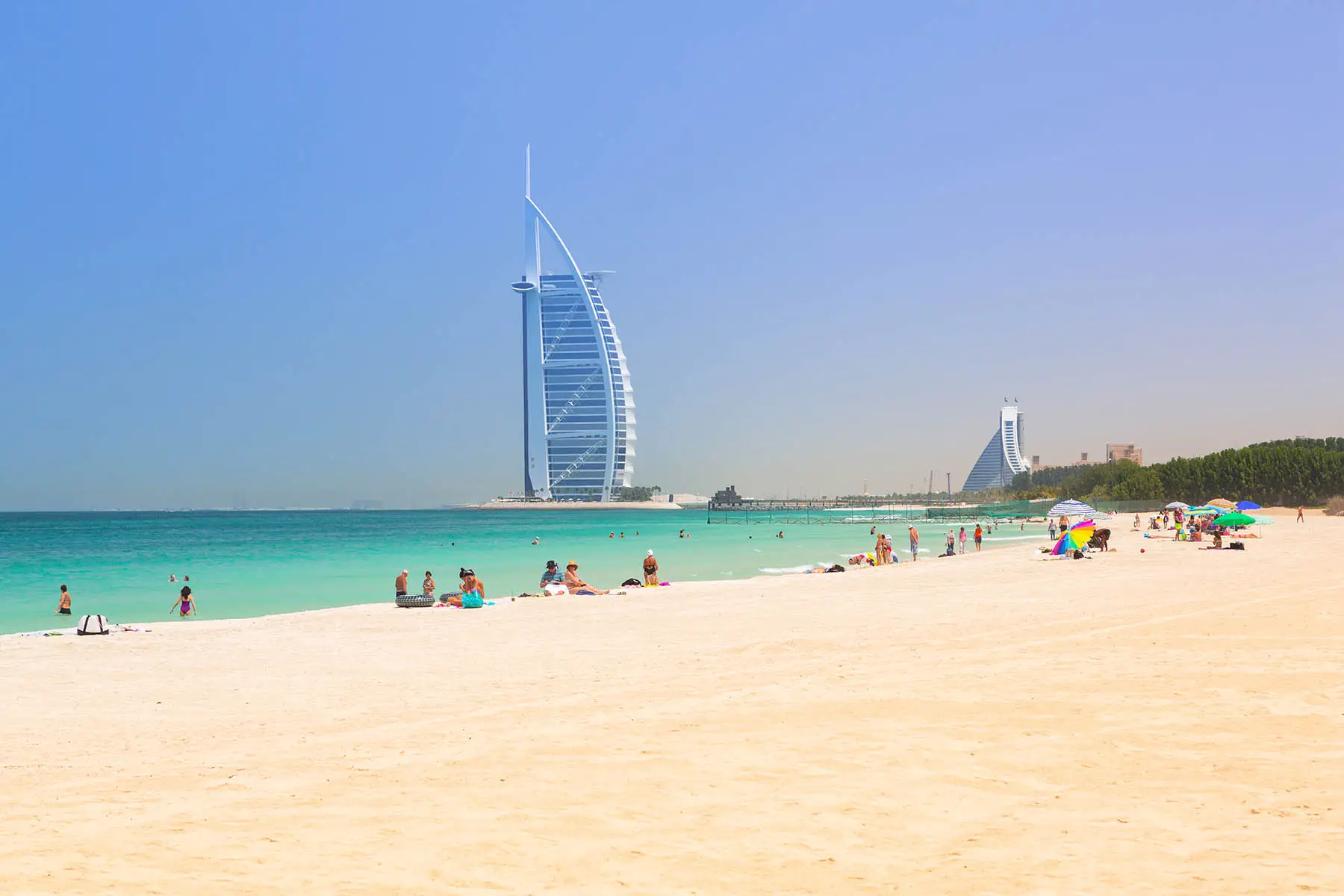
Autumn in the UAE is the start of the outdoor season, and residents typically use the period to take advantage of the country’s stunning beaches. The most important holidays over this period are at the start of December when the UAE celebrates National Day (on 2 December) and the country enjoys a long weekend.
Lifestyle
The best beaches in the UAE
Read more
Summer
In contrast to the beach weather that characterizes summer in other parts of the northern hemisphere, the months from June to mid-September are best spent indoors in the UAE. As the hottest season of the year, midday temperatures average around 42 degrees Celsius. In recent years, however, global warming has led to highs of 51 degrees, typically accompanied by haze and humidity levels above 80%.
Heat strokes and hyperthermia are common, and residents are typically advised to only venture outside early in the morning or late in the evening. Hats and sun umbrellas are also recommended. Malls and indoor theme parks often host cultural events and concerts throughout the hot season, but water parks and ice rinks are also popular.
Seasonal garments in the UAE
Emiratis typically wear long-flowing garments that are traditional to the Arabian desert. Men favor ankle-length garments with long sleeves, called kanduras. Traditionally white, they are usually made of lightweight materials such as cotton, but darker colors with woolen weaves are often seen during the winter.
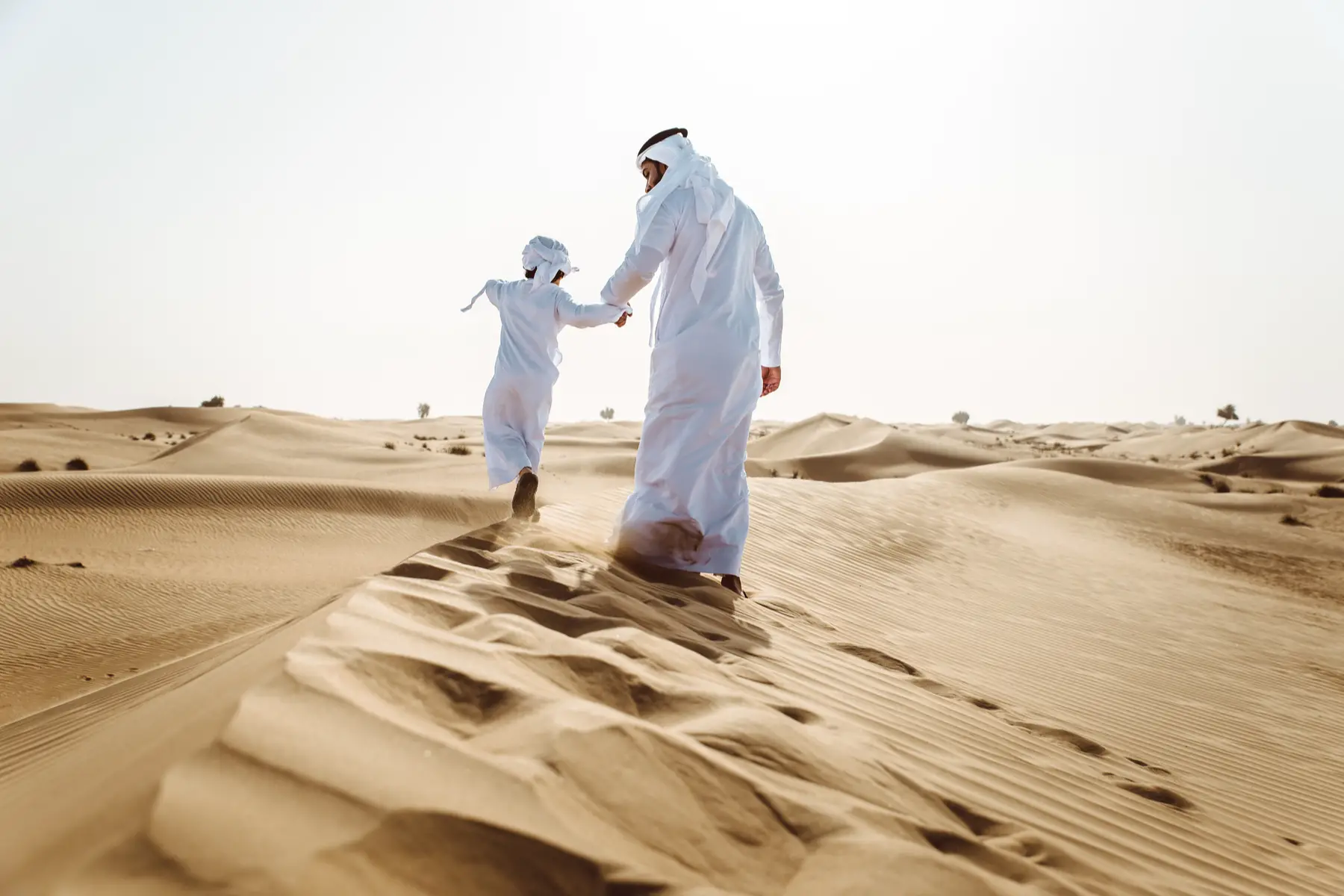
Local women in the UAE, on the other hand, usually wear the abaya – a loose over-garment or cloak – and a shayla or scarf wrapped around their heads. Although conventionally black, abayas now come in a wide range of colors and are often embellished with everything from embroidery and sequins to feathers and fur.
In general, lightweight clothes are worn throughout the year, but heavily air-conditioned offices prompt some cubicle workers to hunker down under shawls and blankets. Much to the amusement of some, cardigans and boots are not uncommon in the winter – especially indoors. Businessmen are likely to break out linen suits during the warmer months, but the country’s Islamic values frown upon anything too skimpy. Women are always expected to have their shoulders covered, with skirts or pants reaching to the knee. Similarly, men are best off wearing at least knee-length shorts.
Holiday seasons in the UAE
In the UAE, seasonal holidays occur in line with the school year. The country’s wide mix of nationalities (and different academic calendars) means that these can vary by curriculum and school. Nevertheless, all schools tend to close over the summer, in June, and reopen at August.
Because of its high percentage of expats and the searing temperatures, residents usually return to their home countries for much of the hot season. Airports tend to be particularly busy at the start and end of the season, with Dubai International routinely posting passenger traffic warnings during this time.


Comment (0)